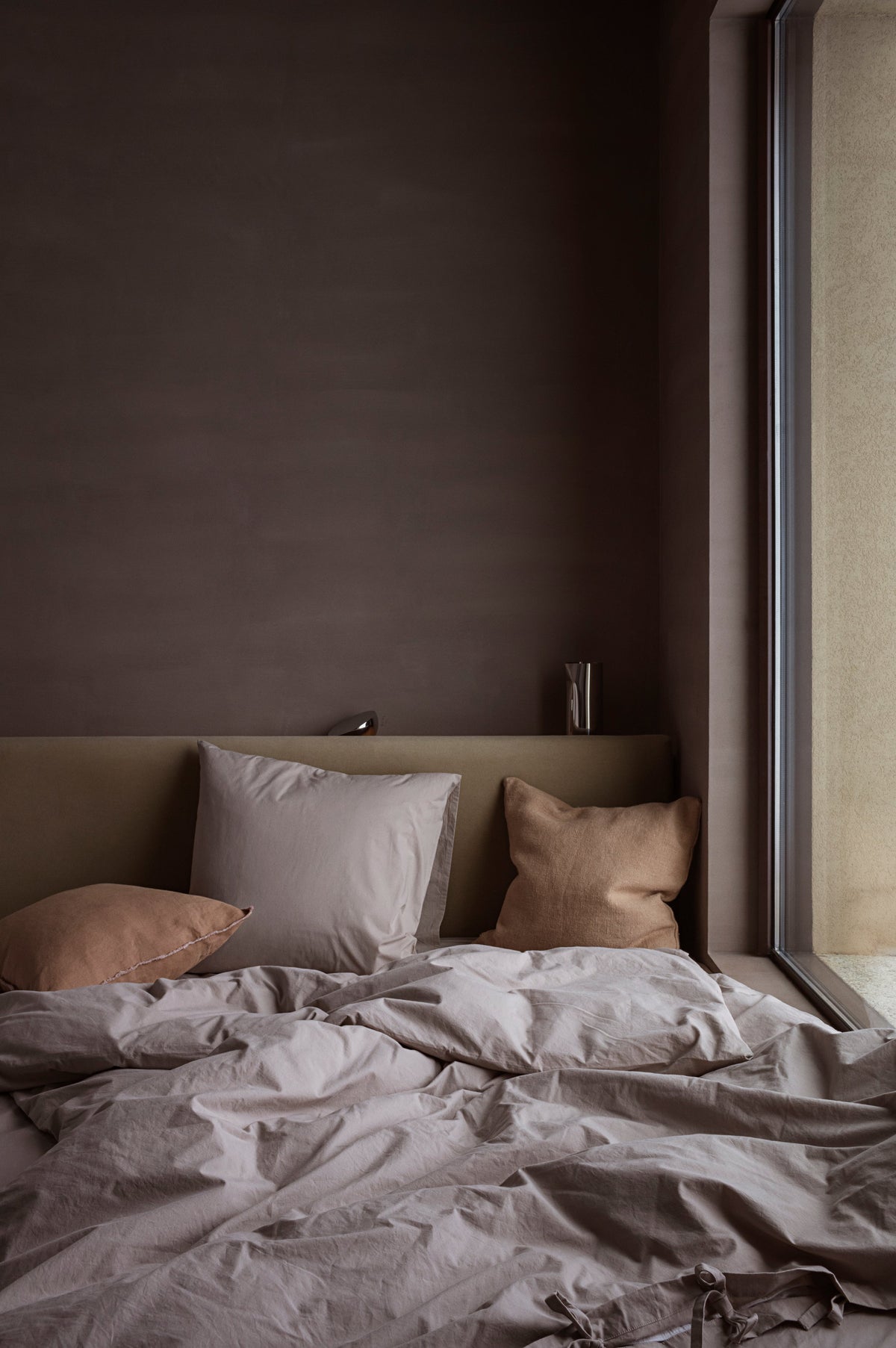
Sleeping Badly? It May Be the Temperature and Humidity in Your Bed
Many people assume they sleep badly because the room is too hot, and turn the air conditioning ever lower. Yet when they wake in the night, it is often the side of the body against the bed that feels close and clammy. What really affects sleep is frequently the small climate inside the bed.
This guide starts with the sleep research and then sets out what you can adjust in Taiwan. We make no health promises; if you sleep badly for a long time, please see a doctor.
Temperature and humidity inside the bed
In a 2012 review of sleep research, Okamoto-Mizuno and Mizuno note that when people sleep normally, the climate inside the bed generally stays at around 32 to 34°C and 40 to 60% relative humidity.
The research also finds that heat increases wakefulness and reduces deep sleep and REM sleep, and that humid heat puts an even greater load on the body's ability to shed heat.
Why humidity feels worse than heat
We keep sweating to lose heat while we sleep. In dry air, sweat evaporates quickly and carries the heat away. In humid air it evaporates slowly and stays between skin and fabric, and the bed turns close and sticky.
Taiwan's air is humid to begin with. From the Central Weather Administration's 1991 to 2020 climate normals, annual mean humidity in both Taipei and Tainan is around 75%, and the average July night-time low is above 26°C. So in Taiwan, dealing with humidity often does more than turning the temperature down further.
What you can adjust, from the outside in
- ◆ The room: air conditioning also dehumidifies. In the plum-rain season, or in winter without air conditioning, a dehumidifier brings the room's humidity down; ventilate too.
- ◆ The mattress: a mattress absorbs moisture all night. When you get up, throw back the covers and let the bed air for a while before you make it.
- ◆ Sheets and duvet cover: the layer against your skin should absorb the moisture from sweat and let it go. Among natural fibres, linen absorbs more moisture than cotton; see linen and cotton sheets compared.
- ◆ The duvet: change its weight with the seasons. Too heavy a duvet pushes the bed above the comfortable range.
- ◆ Sleepwear: choose breathable, absorbent natural fibres such as cotton or linen, and avoid synthetics that do not breathe.
Winter too
Winters in northern Taiwan are damp and chilly. Many people pile on the covers against the cold, then wake in the night with a sweaty back. A winter bed still needs to shed moisture: the duvet keeps you warm, and the sheets and sleepwear carry moisture away.
Common questions
What temperature should the air conditioning be? Everyone feels temperature differently, and the research is about the temperature inside the bed, not the air-conditioner setting. Dealing with humidity and choosing breathable bedding often does more than turning the air conditioning right down.
Will new sheets make me sleep well? Sheets are only one part of it. They can make the bed less stuffy, but sleep is also shaped by routine, stress and health.
To feel the fabrics in person or check sizes for your bed, book a visit to our studio in Anping, Tainan, or ask us on LINE.