Paint Guide
What mineral paint is, what it costs and whether it suits your space, drawn from St. Leo's technical data and our own years of work on site.
 READ
What Is Mineral Paint? Lime Paint, Dolomite Plaster and Mineral Paints Explained
Mineral paint is made mainly from natural minerals such as lime and dolomite: matt, breathable, with natural depth of colour. How lime paint, dolomite plaster, latex and silicate paint differ, where they work, how they are applied and how long they last.
 READ
Decorative Paint, Specialty Paint, Mineral Paint: The Types at a Glance
Decorative and specialty paints cover wall finishes with texture, pattern or sheen. One table compares lime paint, plaster, Venetian plaster, microcement, diatomite, concrete-effect paint, stone-effect paint and metallic paint, how to get a Venetian plaster or concrete look, and how to choose a brand.
 READ
The Drawbacks of Mineral and Lime Paint: Who It Suits and Who It Doesn't
Mineral paint is not waterproof, coloured liquids soak in, patch repairs are hard to hide, batches can vary and preparation matters more. An honest look at the drawbacks of mineral and lime paint, mould and powdering, what Topcoat Five changes, and how it compares with microcement and diatomite.
 READ
How Much Does Mineral Paint Cost per Ping? Materials, Coverage and Labour
Counting materials only, St. Leo mineral paint costs about NT$1,100 to 2,800 per ping of wall (with one coat of undercoat). Real prices and coverage for Marble Paint, Lime Paint, Dolomite Plaster, Bio Paint and Original Pigments, a feature-wall and a 10-ping example, and how it compares with latex paint.
 READ
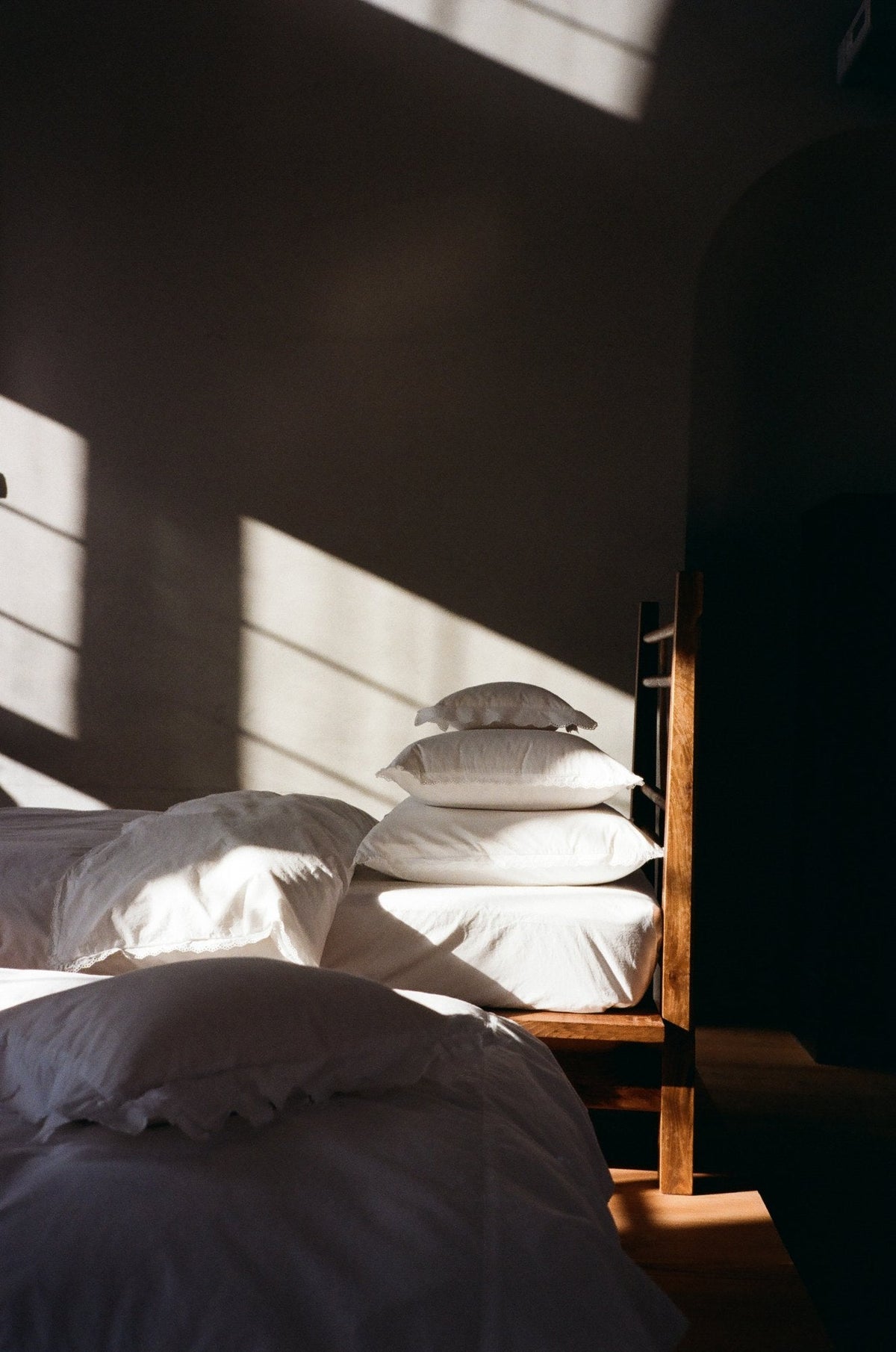
How to Create Wabi-Sabi Walls: Materials, Colour and St. Leo Projects
A wabi-sabi wall is about a matt surface, natural variation in tone and visible handwork. Brushing, rolling and trowelling, St. Leo colours for off-white, warm beige, grey-brown and terracotta, and real projects in Tainan, Chiayi, Kaohsiung and Taipei.
 READ
Low-VOC and "Non-Toxic" Paint: Read the Numbers Before You Choose
VOCs are organic compounds in paint that evaporate into the air, and formaldehyde is one of them. How to read g/L and the EU limits, how to read a safety data sheet, what "non-toxic" can and cannot mean, children's rooms, when you can move in, and what to ask before you buy.
More questions? Start with the Q&A, or ask us directly on LINE.